



























































You spend about a third of your life asleep. During that time, your body performs important recovery work, relaxing muscles, restoring energy, and preparing you for the next day. But the position you sleep in can either support that process or quietly make it more difficult.
If you regularly wake up with a stiff neck, sore shoulders, or tight hips, your sleep posture may be part of the problem. Good sleep is not about forcing a perfect position. Instead, it is about finding a posture that keeps your body supported, your breathing steady, and pressure evenly distributed.
Understanding how common sleep positions affect your body can help you make small adjustments that lead to more comfortable and consistent rest.

Why Your Sleeping Position Matters
Many people focus mainly on mattress firmness or pillow softness, but sleep posture plays a significant role in how the body feels the next morning.
Your sleeping position influences:
- spinal alignment from hips to head
- pressure on shoulders, hips, and knees
- breathing patterns during sleep
- muscle tension in the neck and lower back
When alignment is off, the body often spends the night compensating instead of relaxing. This can lead to restless sleep and the familiar feeling of waking up sore or stiff.

Side Sleeping: A Common and Comfortable Choice
Side sleeping is one of the most popular positions among adults. It can help keep the spine relatively neutral and may also support more comfortable breathing compared with lying flat on the back.
However, side sleeping can sometimes create its own challenges. Standard pillows may not provide enough room for arm placement, and the shoulder or arm underneath the body can become compressed over time. When that happens, people may shift frequently during the night in search of a more comfortable position.
To improve side sleeping comfort, it often helps to:
- keep the neck aligned with the center of the shoulders
- avoid twisting the torso forward
- keep hips stacked rather than rotating forward
- support the arms so they do not become trapped beneath the body
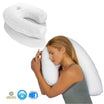
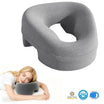
For people who naturally sleep on their side, pillows designed specifically for this position can make a noticeable difference. A Goodinary® Side Sleeper Pillow with Arm Holes allows the arms to rest in a more natural position instead of being squeezed underneath the pillow.
Some designs use an open arm channel, which helps distribute weight more evenly and prevents pressure from building around the shoulder area. This type of structure can feel less restrictive and may help side sleepers settle into a more relaxed posture.
Many of these pillows also include an ergonomic foam core, providing supportive structure while still offering a cushioned surface. Because the shape stays more stable throughout the night, the pillow is less likely to collapse or shift compared with softer traditional pillows.

Back Sleeping: Balanced Support for the Spine
Back sleeping can help distribute body weight evenly across the mattress. For some people, this makes it easier to maintain a neutral spine position.
A few small adjustments can improve comfort in this position:
- choose a pillow that supports the neck without lifting the head too high
- keep the arms relaxed and balanced on both sides
- place a pillow under the knees to reduce tension in the lower back
However, back sleeping may increase snoring for some individuals, especially if the airway becomes restricted.
Stomach Sleeping: The Most Challenging Position
Stomach sleeping is generally considered the least supportive position because it requires the neck to rotate to one side for long periods. This twist can place strain on both the neck and lower back.
If this is your preferred position, using a thin pillow or placing light support under the hips may help reduce pressure on the spine.

Support Beyond Sleep: Reading and Relaxing
Sleep comfort often begins before you actually fall asleep. Many people spend time reading, scrolling, or watching videos in bed, sometimes with little support for the neck, arms, or shoulders.
Supportive pillows designed for side sleepers can also be helpful during these moments. Because some models include arm channels and a structured foam core, they can adapt easily to different activities such as reading or lounging on the sofa while maintaining stable support.
This versatility allows the same pillow to fit naturally into both nighttime sleep routines and daytime relaxation.
Small Adjustments Can Improve Sleep Comfort
You do not necessarily need to completely change your sleeping position to sleep better. If you wake up feeling refreshed and pain-free, your current setup is likely working well.
But if you regularly wake up with stiffness or discomfort, a few simple adjustments may help:
- try supporting the arms and shoulders during side sleeping
- reduce pressure points with better pillow placement
- avoid twisting the body during pre-sleep activities like reading
Sometimes the smallest changes such as improving how your pillow supports your arms and shoulders can make your sleeping position feel significantly more natural.
Ultimately, the best sleeping position is the one that allows your body to relax fully and helps you wake up feeling rested and comfortable.



Leave a comment
This site is protected by hCaptcha and the hCaptcha Privacy Policy and Terms of Service apply.