

























































Hot weather can make bedtime miserable fast.
You get into bed already warm, the room feels stuffy, and instead of drifting off, you spend the night turning the pillow over, kicking off the covers, and waking up uncomfortable. Summer may feel easy during the day, but it can be one of the hardest times of year for good sleep.
The good news is that better sleep in hot weather usually comes down to a few simple changes. Once you help your body cool down and make the bed feel less heat trapping, nights become much easier to handle.

Why Heat Makes Sleep Harder
Your body naturally starts cooling down as it gets ready for sleep.
That cooling process is part of what helps you feel sleepy. But when the room temperature is too warm, your body has to work harder to release body heat. Instead of settling into sleep smoothly, you may feel restless, sweaty, or uncomfortable for longer than usual.
That is why hot nights often lead to:
- taking longer to fall asleep
- waking up more during the night
- sleeping more lightly
- feeling foggy and drained the next day
Even if you stay in bed long enough, hot weather can make that sleep feel much less restorative, reducing the quality of your sleep and limiting deep sleep phases.
Why Humidity Makes It Worse
Heat is difficult on its own, but humidity can make it even more uncomfortable.
When the air feels heavy and damp, sweat does not cool the body as well. That means you can end up feeling sticky, overheated, and unable to get comfortable enough to fully relax.
This is why some hot nights feel manageable and others feel unbearable. It is not only the temperature. It is how trapped that heat feels around your body and how poor air circulation limits cooling.
 hot night">
What Temperature Usually Feels Best for Sleep
Most people sleep better in a room that feels cool rather than warm.
The goal is not to make the bedroom cold. The goal is to make it cool enough that your core body temperature does not have to struggle all night just to stay comfortable.
If your room runs hot, even small changes can help. Cooling the room before bed, blocking sun during the day, and choosing lighter sleep layers can all make a noticeable difference to the sleeping environment.
Cool Your Body Before You Get Into Bed
One of the easiest ways to sleep better on hot nights is to stop going to bed overheated and help your body temperature drop earlier.
A cool or lukewarm shower before bed can help you feel more comfortable right away. Even washing your face, arms, and feet with cool water can make a difference if you do not want a full shower.
If you tend to hold tension around your eyes and forehead when you are trying to sleep, a cooling option like the Goodinary® Weighted Sleep Mask can fit naturally into this part of your routine. It blocks light, adds gentle pressure, and can be cooled before use, which can feel especially helpful when you are trying to settle down in a warm room.

Keep the Room as Cool as Possible
Do not wait until bedtime to think about room temperature and air circulation.
If you have air conditioning, fans, or other cooling devices, it helps to use them before you are ready to sleep so the room already feels better when you get in bed. If you do not have air conditioning, keep curtains closed during the day so the room does not collect extra heat from direct sunlight.
A darker room also helps. Less sunlight during the day means less trapped heat later at night, promoting better sleep health.
Make the Bed Feel Cooler, Not Heavier
Sometimes the room is not the only problem. Your bed may also be holding heat.
Heavy fabrics, dense layers, and heat-trapping surfaces can make a warm night feel even worse. Pulling back the covers before bed, using lighter bedding, and choosing more breathable sleep pieces can help the whole bed feel less stuffy and reduce core body temperature.
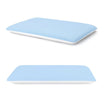
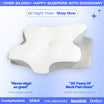
Your pillow matters here too. If it feels too warm or too dense, it can make it much harder to settle in. The Goodinary® Cooling Shredded Memory Foam Pillow works well in this kind of setup because the fill can be adjusted and the cooling chill-tech fabric surface is designed to feel fresher through the night. That can be especially helpful if standard pillows start feeling too warm after a few hours.

Let the Bed Cool Down Too
Before getting into bed, it can help to let the mattress and bedding release some trapped heat.
Pull back the covers for a while before bedtime. Let air move around the bed. Even this simple step can make the first part of the night feel much more comfortable.
If you use a fan, point it so air moves across the room and the bed instead of letting heat sit in one place. Good air circulation can support core temperature regulation.
Choose Comfort Without Overheating
A lot of people sleep badly in summer because they feel caught between two problems. They want the bed to feel light enough for hot weather, but they also do not want it to feel bare or unsettled.
If you sleep better with a little weight but usually get too warm under traditional blankets, a breathable option like the Goodinary® Weighted Cooling Blanket can make more sense. It gives that grounded, secure feel many people like, while still being designed for airflow and more balanced comfort during the summer months.

Small Changes That Help on Hot Nights
When the weather is hot, you do not need a perfect routine. You need a few things that lower the overall heat load on your body and improve your sleep hygiene.
Start here:
- shower with cool or lukewarm water before bed to help initiate your core temperature drop
- keep curtains closed during the day to control room temperature
- cool the bedroom before bedtime, not after
- use lighter and more breathable bedding
- let the bed air out before you get in
- choose a pillow that does not feel overly warm
- keep light and heat under better control at night, like opening a window for better air circulation if possible
Final Thoughts
Sleeping in hot weather can feel frustrating because your body is trying to rest while also trying to cool itself down. That is a hard combination.
The goal is not to make summer nights perfect. It is to make your room, your bed, and your routine work better with the heat instead of against it. A cooler setup, lighter sleep surfaces, and a few comfort-focused changes can make hot nights much easier to get through.



Leave a comment
This site is protected by hCaptcha and the hCaptcha Privacy Policy and Terms of Service apply.