


































There is a week, somewhere between the first unsteady steps and confident walking, when your home suddenly looks different. The coffee table you never noticed is now exactly forehead height. The cabinet under the sink opens with one small pull. Everything that was out of reach last month is now within reach, and a few things that seemed harmless start to look like problems.
Most parents respond by trying to childproof everything at once. They buy a large kit, spend a weekend installing it, and end up with a home full of latches and covers that make daily life harder without clearly addressing what matters most.
The more useful approach is to focus on the handful of changes that deal with the real risks for a toddler at this stage: things that tip, edges at head height, substances that should never be reached, and floors where most of their day is actually spent.
These seven changes cover that ground. Most take minutes, and together they make a home noticeably safer without turning it into a padded room.

Why Should Tall Furniture Be Anchored to the Wall?
Toddlers climb, and tall furniture that is not secured can tip forward when a child pulls on a drawer or climbs the front. Anchoring bookcases, dressers, and televisions to the wall is widely regarded as one of the most important childproofing steps, because tip-over injuries can be severe.
This is the change most worth doing first, before anything else on this list. A dresser with open drawers makes a natural staircase to a toddler, and the weight of a small child at the top of an unsecured unit is enough to bring it down.
Most furniture ships with anti tip hardware, often left unused in the box. If yours did not, furniture anchoring straps are widely available and inexpensive. Secure anything tall enough to fall on a child, and move heavy items to lower shelves while you are at it.
Televisions deserve particular attention. A screen balanced on a stand can topple easily, so mount it or strap it down.

How Do You Protect a Toddler From Sharp Furniture Edges?
Sharp table and furniture edges often sit at exactly toddler head height. Soft cushioning strips applied along those edges reduce the impact of the bumps and falls that happen constantly as children learn to walk, climb, and move around furniture.
Toddlers fall frequently. That part is unavoidable and a normal part of learning to move. What you can change is what they fall against.
The Goodinary® Edge Guard Strip is designed to soften those hard edges. It is made from NBR rubber, a soft cushioned material, and applies with an adhesive backing that follows corners and straight edges alike. At 200 centimetres long, one strip covers the full perimeter of most coffee tables, and it can be cut to fit desks, shelves, and low walls.
The 35 millimetre width and 12 millimetre thickness give meaningful cushioning without looking bulky, and it comes in five colours including white, baby blue, pink, yellow, and lime green, so it can blend in with furniture or suit a playroom.
Start with the coffee table, the TV unit, and any low hearth or step. Those are where most bumps happen.

Where Should Cleaning Products and Medications Be Stored?
Cleaning products, medications, and other harmful substances should be stored up high and behind a secured door. Toddlers can open standard cabinets easily, and many household products are brightly packaged in ways that attract curious hands, so a physical barrier matters more than placement alone.
The cabinet under the kitchen sink is the classic risk, because it is low, easy to open, and usually where bleach, dishwasher tablets, and cleaning sprays live. Moving these items up high is the first step. Adding a lock to the cabinet is the second.
The Goodinary® Combination Fridge Lock works on cabinets and drawers as well as refrigerators and freezers. It installs with strong adhesive rather than screws, so there is no drilling into cabinetry, and it opens with a resettable 4 digit code rather than a key that can be lost or found by a child. The 8 inch cable reaches across standard cabinet and appliance doors, and the ABS, stainless steel, and zinc alloy construction holds up to repeated daily use.
A code based lock has one advantage over many child latches: older siblings or visiting children cannot work out a code by watching the way they can with some push release mechanisms.
Medications should be treated the same way, including any kept in handbags, bedside drawers, or bathroom cabinets.

How Do You Create a Safe Place for Toddlers to Play?
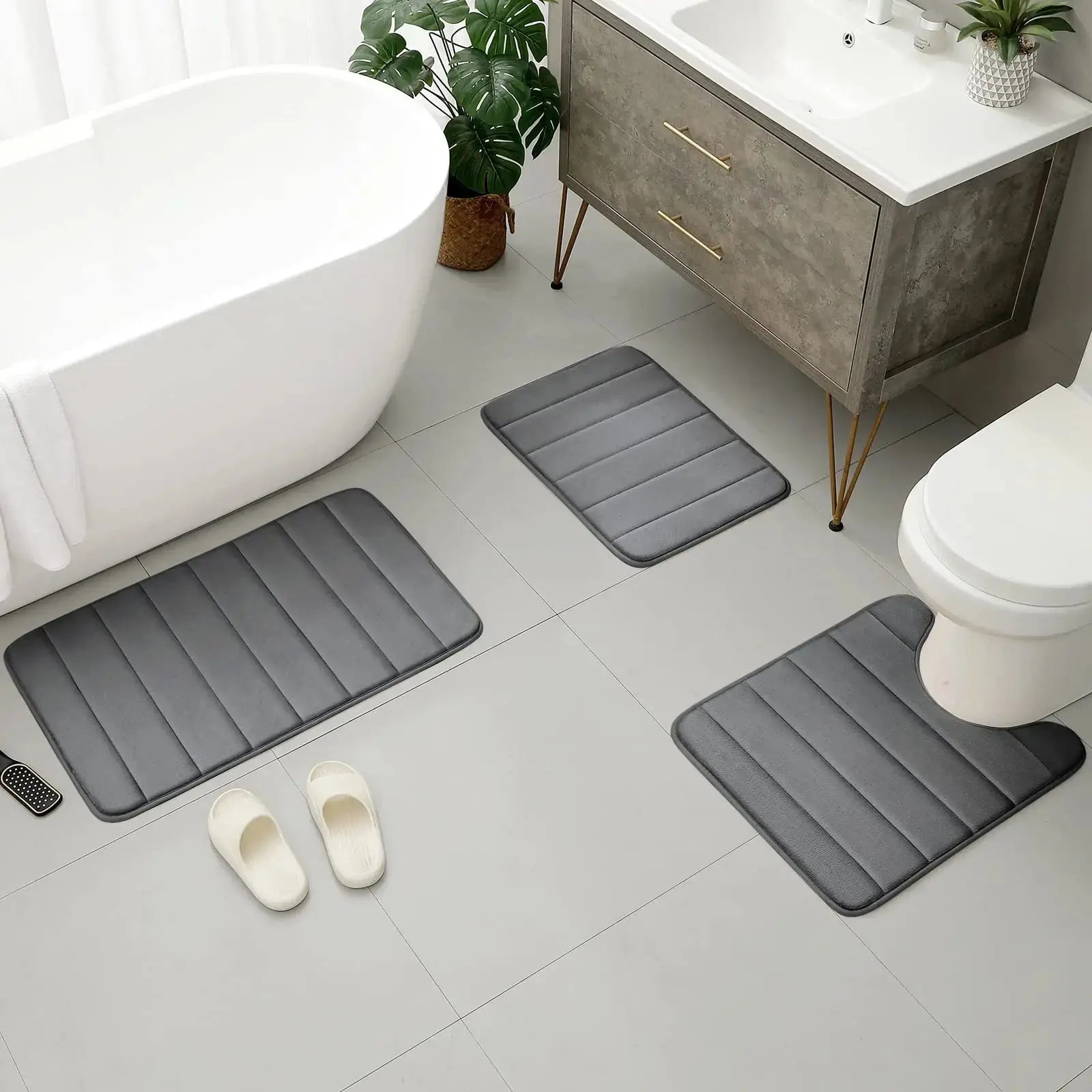
A defined play zone gives toddlers a comfortable, contained surface where most of their floor time happens. Placing it away from furniture edges, doorways, and kitchen traffic reduces the number of hazards they encounter during play, and a non slip base keeps the surface stable underfoot.
This change is less about blocking hazards and more about steering where your toddler spends time. Children gravitate to wherever their toys are. Put the toys somewhere deliberately safe, and much of their day happens there.
The Goodinary® Parking Lot Play Mat Rug gives that zone a clear boundary. Its soft crystal velvet surface is comfortable for crawling, sitting, and floor play, and an anti slip backing keeps it from sliding when a toddler runs across it or climbs onto it.
The printed road designs, available in City Traffic, Town Road, and Numbers Road styles, give children a reason to play there rather than wandering off. Toy cars suddenly have somewhere to go, which holds attention in a way a plain rug does not. Three sizes are available, from 31 by 63 inches up to 55 by 79 inches, so it can fit a corner of a living room or fill a dedicated playroom.
Position it clear of the coffee table and away from the kitchen doorway, and it becomes the default spot for play.

Why Are Window Blind Cords a Risk for Toddlers?
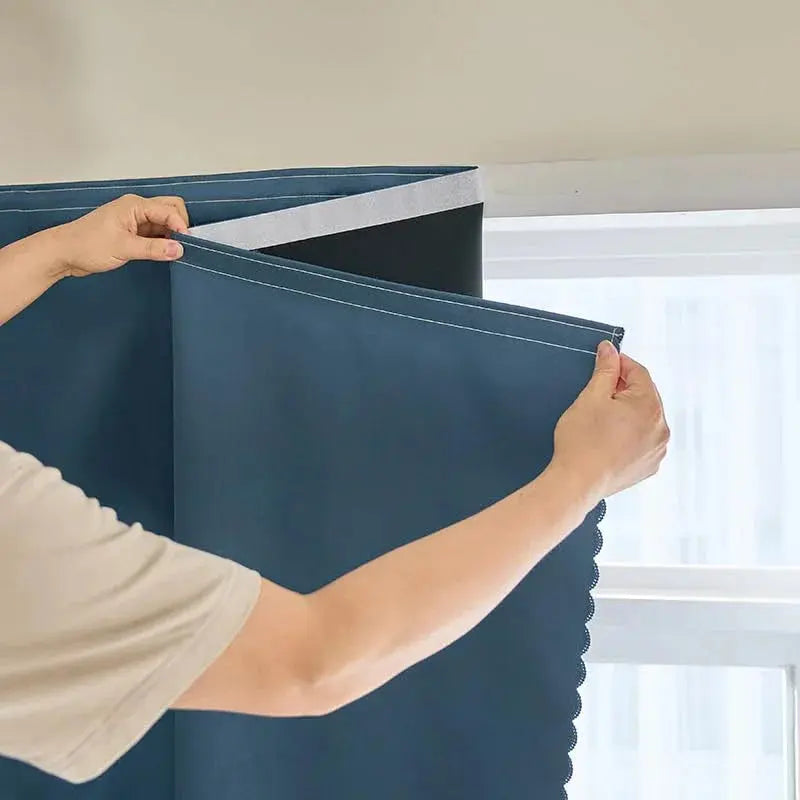
Looped cords on blinds and curtains can pose a strangulation risk to young children. Keeping cords short, tied up well out of reach, or replaced with cordless coverings removes the hazard, and moving cots and furniture away from windows prevents children from climbing up to reach them.
This is one of the easiest risks to overlook, because cords have usually hung in the same place for years without anyone noticing them.
Walk through each room and check every window covering. Cord cleats mounted high on the wall let you wrap cords well out of reach. Where possible, cordless blinds remove the issue entirely.
Pay particular attention to bedrooms and anywhere a cot, bed, or climbable chair sits near a window.
How Do You Deal With Choking Hazards Around the Home?
Small objects are a choking risk for toddlers, who explore by putting things in their mouths. Coins, button batteries, magnets, and small toy parts should be kept well out of reach. A useful rule is that anything small enough to fit through a toilet roll tube is too small to leave accessible.
Button batteries deserve specific attention. They are found in remote controls, key fobs, kitchen scales, and many small devices, and they can cause serious harm if swallowed. Make sure battery compartments on household devices are secured and store spare batteries somewhere locked away.
Older siblings' toys are a frequent source of small parts. Keeping those toys in a separate room or on higher shelves is often easier than trying to police them constantly.

What Is the Best Way to Check a Home for Toddler Hazards?
The most effective way to find hazards is to get down to toddler eye level and move through each room. Viewed from that height, reachable cords, low cabinet handles, sockets, and sharp edges become obvious in a way they never are when standing, and you will spot risks no checklist mentions.
Do this in every room, including the ones your toddler rarely visits, since those are often the least prepared. Look up as well as around, because anything a child can pull down onto themselves counts too.
Repeat the check every few months. Toddlers grow and gain new abilities quickly, and what was out of reach at eighteen months may not be at two.
Safety That Fits Everyday Life
Making a home safer for a toddler does not mean covering every surface or locking every door. It means dealing properly with the few things that matter most: furniture that can tip, edges at head height, substances that should never be reached, and giving play a safe place to happen. Start with those, then crouch down and look again every few months as your child grows.

When should you start childproofing your home?
Ideally before your baby starts crawling, usually somewhere between six and ten months. Starting early means the essentials are in place before your child becomes mobile enough to reach them.
How do I protect my toddler from coffee table corners?
Apply a soft cushioning strip along the edges and corners. The Goodinary® Edge Guard Strip is long enough to wrap the full edge of most coffee tables and cuts to fit smaller furniture.
Can I use a fridge lock on kitchen cabinets?
Yes. Adhesive locks with a flexible cable, such as the Goodinary® Combination Fridge Lock, work on cabinets and drawers as well as fridges, and install without drilling.
What is the most important childproofing step?
Securing tall furniture and televisions to the wall is widely regarded as one of the most important, because tip-over accidents can be severe. Locking away medications and cleaning products is equally essential.
Are play mats safe for toddlers?
Play mats are a common and comfortable surface for floor play. Choose one with a non slip backing so it stays in place, position it away from furniture edges, and keep it clean with regular vacuuming or washing.


Leave a comment
This site is protected by hCaptcha and the hCaptcha Privacy Policy and Terms of Service apply.