













































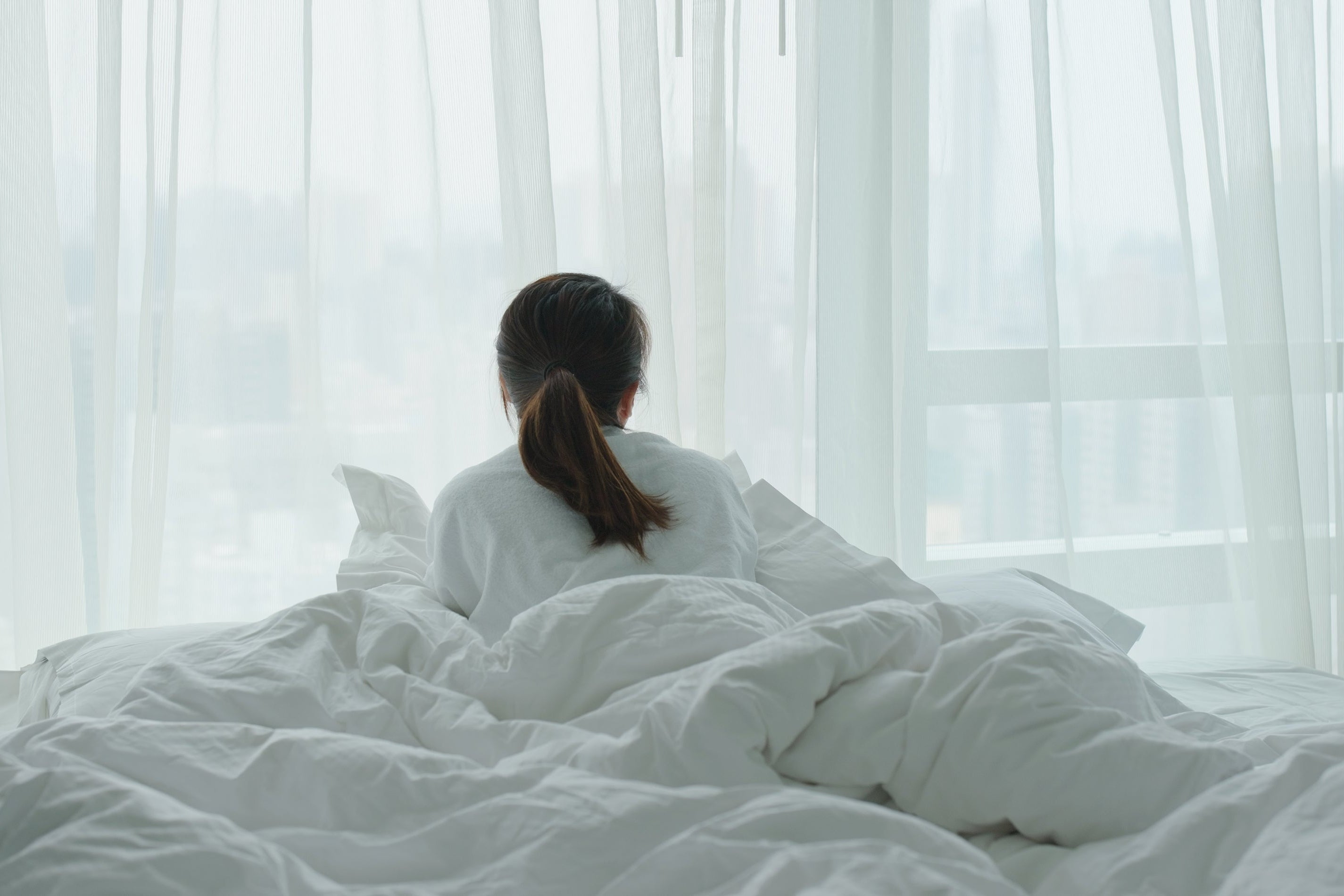
If you sleep long enough but still wake up tired, your bedroom may be part of the reason.
Many people focus on bedtime habits, mattresses, or pillows, but the room itself also matters. A bedroom that feels too bright, too warm, stuffy, or uncomfortable can make it harder to settle down and stay asleep.

Your Bedroom Can Help Sleep or Work Against It
Good sleep is not only about going to bed on time. It is also about what your body experiences while you are asleep.
When the room feels hot, the air feels heavy, or the space never gets dark enough, sleep may feel lighter and less refreshing. You may wake up feeling like you slept, but did not truly rest.
That can be frustrating, especially when you are already trying to do everything right.
Common Bedroom Problems That Can Affect Sleep
Sometimes the problem is not your routine. Sometimes it is your sleep environment.
A Room That Feels Stuffy
When there is not enough fresh airflow, the air in the bedroom can feel heavy during the night. In the study, higher carbon dioxide levels were linked to lower sleep quality.
In real life, this may show up as waking up groggy, feeling less refreshed, or struggling to feel fully rested in the morning.
A Room That Feels Too Warm
A warmer bedroom was linked to lower sleep efficiency. In simple terms, that means sleep may become less smooth and less restorative.
If your room traps heat overnight, your body may have a harder time relaxing into deeper rest.
A Room That Feels Damp or Muggy
Higher humidity was also linked to poorer sleep quality. When a room feels muggy, it can become uncomfortable as the night goes on.
Even if you do not fully wake up, your comfort level may still be affected.
A Room That Is Too Bright
Light can also make it harder to rest, especially in bedrooms that get strong sunlight, bright street light, or daylight during naps and early mornings.
If your room never gets dark enough, your body may have a harder time winding down and staying comfortable.

What This Means for You
One important part of this study is that it looked at people who already had good sleep quality. That means bedroom conditions still mattered even for people who were not dealing with major sleep problems.
So if you often think, “I sleep enough, but I still do not feel great,” your bedroom setup may be worth a closer look.
Sometimes better sleep starts with making the room feel calmer, darker, cooler, and more comfortable.
Signs Your Bedroom May Be Affecting Your Sleep
Your sleep environment may need attention if you often notice things like:
• waking up tired even after enough sleep
• feeling hot during the night
• a room that feels stuffy or heavy
• a room that feels muggy
• difficulty relaxing before bed
• sleep that feels light or not fully refreshing
• too much light in the room when you are trying to sleep
These signs do not prove the room is the only issue, but they can be strong clues.

Simple Ways to Make Your Bedroom More Sleep Friendly
You do not need to change everything at once. Small changes can make the room feel much more supportive at night.
Keep the Room More Comfortable
The study found that higher room temperature was linked to lower sleep efficiency. If your room gets too warm, try to focus on keeping it more comfortable through the night.
Improve Airflow
Since higher carbon dioxide levels were linked to poorer sleep quality, airflow matters. A fresher room may feel more sleep friendly and less heavy overnight.
Watch Humidity
If the room feels damp or muggy, that discomfort may affect sleep more than you realize. A more balanced room often feels easier to rest in.
Reduce Unwanted Light
If outside light or daytime brightness keeps the room from feeling calm, it may be harder to fall asleep or stay asleep, especially during naps, travel, or early bedtimes.
Helpful Products for a More Restful Bedroom
If your main sleep issue is too much light, a practical option is the Goodinary® Magnetic Blackout Window Shades. They are designed to help create a darker and calmer room without requiring drilling or permanent installation. That can be especially useful in rentals, dorms, travel stays, nurseries, or any space where flexible light control matters. The blackout fabric is also designed for heat insulation, which may help make the room feel more comfortable throughout the year.

If your challenge is not only the room, but also difficulty settling down before bed, the Goodinary® Handheld Pressure Sleep Aid Device can fit naturally into a simple evening routine. Its compact handheld design supports a calmer pre sleep moment without screens, settings, or complicated steps. For people who struggle to switch from a busy day into rest mode, that kind of quiet routine can feel more manageable.

Better Sleep Often Starts With Better Comfort
Many people think poor sleep always means they need a stricter routine or a more complicated solution.
Sometimes the real issue is simpler. A room that feels too bright, too warm, stuffy, or uncomfortable can quietly work against your sleep night after night.
When your bedroom feels darker, calmer, and more comfortable, it may become easier to rest deeply and wake up feeling better.
Final Thoughts
Your bedroom environment can have a real effect on how well you sleep. A room that is too warm, humid, stuffy, or bright may lower sleep quality, even if you are already doing other things right.
If sleep has felt off lately, it may help to look at the room itself. Small changes in comfort, airflow, and light control can sometimes make a bigger difference than expected.


Leave a comment
This site is protected by hCaptcha and the hCaptcha Privacy Policy and Terms of Service apply.