



























































Most people clean their bathroom regularly. Wipe the counter, scrub the toilet, mop the floor. It feels clean. But there's a difference between a bathroom that looks clean and one that actually is.
A deep clean goes further. It addresses the things that a weekly wipe-down misses: the soap scum building up on the glass door, the mold forming in the grout where water pools, the mat that's been damp for so long it's developed a smell you've stopped noticing. These aren't just aesthetic problems. Left too long, they become harder to remove and, in some cases, a genuine hygiene concern.
The good news is that deep cleaning a bathroom doesn't have to take hours. With the right approach and a few tools in place, it becomes something you can do in under an hour, and something your bathroom will barely need again once certain habits are in place.
Here's how to do it properly.

What Does Deep Cleaning a Bathroom Actually Mean?
Deep cleaning a bathroom means going beyond surface wiping to remove buildup that has accumulated over time. This includes limescale on glass and tiles, soap scum on shower walls, mildew in grout lines, grime behind fixtures, and moisture trapped under mats or around the base of the toilet. A proper deep clean covers all surfaces, including the ones you can't easily see.
Where Should You Start When Deep Cleaning a Bathroom?
Start at the top and work your way down. Begin with the ceiling corners and light fixtures to remove dust and cobwebs, then move to shelves, mirrors, and counters, then the toilet and sink, and finish with the shower or bathtub and finally the floor. This way, anything you dislodge falls onto surfaces you haven't cleaned yet.
Step 1: Clear Everything Out First
Before you start cleaning, remove everything from the bathroom. Products off the counter, mats off the floor, everything out of the shower. This gives you full access to all surfaces and makes it much easier to clean around and behind objects rather than moving them as you go.
This is also a good moment to discard anything that's expired, nearly empty, or that you haven't used in months. A decluttered bathroom is easier to clean going forward.
Step 2: How Do You Remove Soap Scum and Water Stains from Glass?
Soap scum and hard water stains on glass are best treated by applying a bathroom cleaner or a solution of white vinegar and dish soap, leaving it to sit for several minutes, and then wiping down. The dwell time is important as it breaks down the buildup before you scrub.
For ongoing maintenance, the single most effective habit is wiping down the glass after every shower. The Goodinary® Modern Shower Squeegee with Silicone Blade takes around 20 seconds per use. The flexible silicone blade glides across glass, tiles, and mirrors without scratching or leaving streaks, removing water before it has the chance to dry into spots or feed mold growth. It works on shower doors, tiles, and mirrors alike, and fits naturally into a hook or corner caddy so it's always within reach. Once this habit is in place, you may never need to scrub the glass as part of a deep clean again.

Step 3: How Do You Clean Grout and Tile Properly?
Grout is porous, which means it absorbs moisture, soap, and dirt over time. For a deep clean, apply a grout cleaner or a paste of baking soda and water directly to the lines, scrub with a stiff-bristled brush, and rinse thoroughly. For tiles, a general bathroom spray followed by a microfiber cloth is usually enough.
The key to keeping grout clean between deep cleans is reducing how much moisture lingers on the surface after use. Good ventilation and wiping down tiles after showering both help significantly.
Step 4: What Is the Safest Way to Clean a Bathtub or Shower Floor?
Shower floors and bathtub surfaces accumulate a combination of soap residue, body oils, and hard water deposits. Apply your chosen cleaner, let it sit for five to ten minutes, then scrub with a non-abrasive brush and rinse completely. Pay attention to the drain area where buildup tends to concentrate.
Safety is also worth considering here. Wet shower floors are one of the most common sources of slips at home. The Goodinary® Non Slip Bathtub Mat is made from BPA-free TPE and PP materials with hundreds of suction cups on the underside and a raised stripe texture on the surface. The suction cups anchor the mat firmly on smooth surfaces, and the drainage holes allow water and soap to flow through rather than pooling underneath. It's foldable for easy storage and removal when you need to clean the tub floor itself.
When you reinstall it after a deep clean, you're starting fresh with a mat that's secure, hygienic, and easy to lift and wash regularly.

Step 5: How Do You Clean Behind and Around Toilet and Sink Fixtures?
These are the spots most people skip. The base of the toilet where it meets the floor, behind the tap where residue collects, around the drain, and under the edges of the sink. Use a small brush or old toothbrush with bathroom cleaner for tight spaces, and a cloth for larger flat areas.
For mirrors and the sink surface, a glass cleaner or diluted vinegar solution with a lint-free cloth removes smears and watermarks cleanly.
Step 6: How Should You Clean Bathroom Floors?
Sweep or vacuum first to remove hair and dust, then mop with a bathroom-safe floor cleaner. Pay particular attention to the corners and along the base of the toilet and walls, where grime tends to collect.
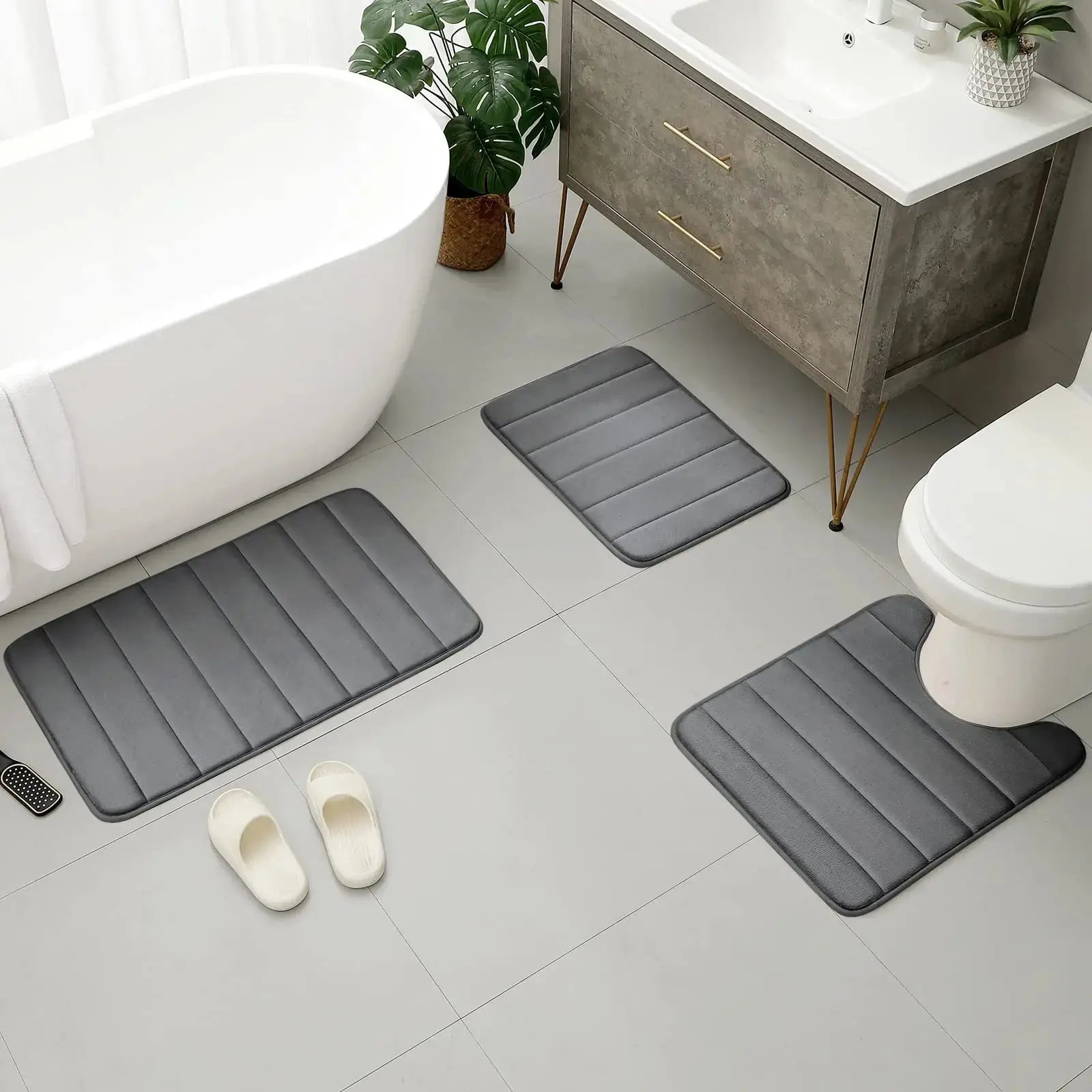
Before laying any rugs or mats back down, make sure the floor is fully dry. Placing a mat on a damp floor creates conditions for mold underneath.

How Do You Keep a Bathroom Clean After Deep Cleaning?
The goal after a deep clean is to reduce how much effort the next one requires. Three habits make the biggest difference.
First, squeegee the glass and tiles after every shower. This takes under a minute and eliminates the main source of hard water buildup and mold on surfaces. Second, ensure the bathroom is well-ventilated after use to allow moisture to escape. Third, wash bath mats and floor rugs regularly, at least every week or two, so they don't become a source of damp or odor.
With these habits in place, a full deep clean becomes something you need far less often, and far less work when you do.

Frequently Asked Questions
How often should you deep clean a bathroom? Most bathrooms benefit from a deep clean every four to six weeks, depending on usage. With good daily habits like squeegeeing glass and ventilating after showers, you can extend this comfortably.
What is the hardest part of a bathroom to keep clean? Glass shower doors and grout lines are typically the hardest to maintain. Both are affected by water and soap residue after every use. Wiping down glass with a squeegee after each shower is the single most effective preventive habit for both.
How do you prevent mold in the bathroom? Mold thrives in moisture. The best prevention is reducing how long surfaces stay wet: ventilate well after showering, wipe down glass and tiles, and wash mats regularly. Fixing any leaks promptly also helps significantly.
Is it safe to use vinegar on all bathroom surfaces? White vinegar is effective on glass, tiles, and many fixtures, but should be avoided on natural stone like marble or granite, as the acidity can damage the surface. Always check what your surfaces are made of before applying any cleaning solution.
Do non-slip mats cause mold in the bathtub? They can, if left in place without regular removal and washing. A mat with drainage holes like the Goodinary® Non Slip Bathtub Mat reduces water pooling underneath, but lifting, rinsing, and fully drying the mat between uses is still the best practice.



Leave a comment
This site is protected by hCaptcha and the hCaptcha Privacy Policy and Terms of Service apply.