

















































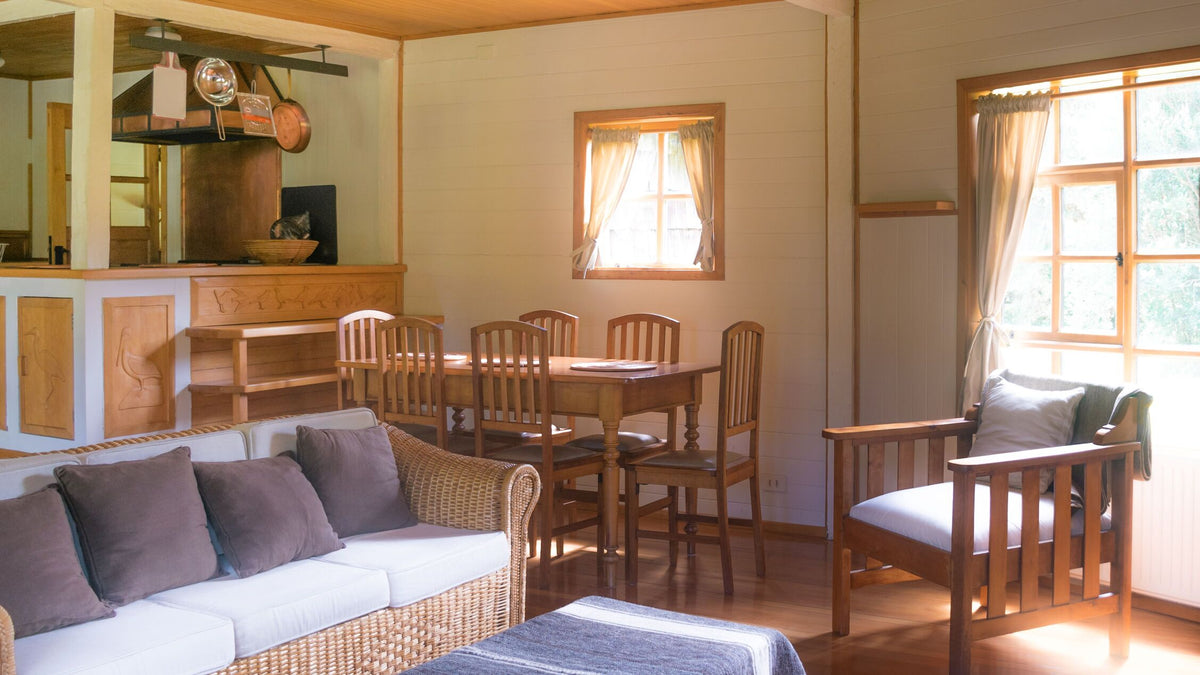
The heating has been running for an hour. The thermostat says the room has reached the temperature you set. And yet you are sitting on the sofa with a blanket over your knees, still cold, wondering whether something is broken.
Nothing is broken. This is one of the most common complaints about homes in autumn and winter, and it almost never comes down to the heating being too weak. A radiator or a heater can only warm the air in a room. If that warm air is continuously replaced by cold air coming in from outside, and if the room has large cold surfaces pulling heat away from you, the number on the thermostat stops describing how the room actually feels.
That gap between the reading and the reality is the whole problem. A room can be 20 degrees by the sensor and still feel cold if there is air moving across the floor and a sheet of cold glass a metre from where you sit.
The useful news is that the two biggest causes are both fixable in an afternoon, without a tradesperson, without drilling, and without touching the heating system itself. Here is where to start.

Why Does a Home Feel Cold Even When the Heating Is On?
A home feels cold despite working heating for two reasons: cold air is leaking in faster than the heater can warm it, and large cold surfaces like glass draw heat away from your body directly. Both happen regardless of thermostat setting, which is why turning the heating higher rarely solves it.
The second reason is the one most people have never had explained to them. Your body loses heat to any surface colder than it is, even without touching that surface. Sit next to a single pane window on a cold night and you will feel cool on that side of your body, because the glass is quietly absorbing your warmth.
This is also why the same room can feel completely different depending on where you sit. The armchair by the window and the sofa against the interior wall are in the same air, at the same temperature, and they are not the same experience.
The first reason is simpler and more wasteful. Every gap around a door or window is a slow, continuous exchange: warm air leaves, cold air arrives, and your heater spends the evening reheating the same room over and over.

Where Does Cold Air Actually Get Into a Home?
Cold air enters mainly through gaps you cannot see rather than through walls. The usual routes are the gap under an external door, the seam between a door and its frame, the edges of window frames, sliding door tracks, letterbox flaps, unused chimneys, and the perimeter of loft hatches.
The reason these go unnoticed is that most of them are too small to look like a problem. A gap of a few millimetres around a door frame does not register visually. Added up across the whole perimeter of a doorway, it is a permanent opening to the outside.
There is a simple way to find them. On a cold, windy evening, turn off any fans or extractors, then walk slowly around the edges of every external door and window with the back of your hand held close to the frame. You will feel the moving air before you can see anything. A lit candle or a thin strip of tissue paper makes it even more obvious, because the flame or the paper moves where the air does.
Mark what you find with a piece of tape as you go. Most people are surprised by two things: how many spots there are, and how often the worst one is a door they assumed was fine because it closes properly. A door can close perfectly and still have air moving through the seam all around it.
How Do You Stop a Draught Around a Door Without Replacing It?
You stop a door draught by sealing the gap rather than adjusting the door. An adhesive sealing strip applied along the edge of the frame fills the space the door cannot close completely, which limits the airflow through the seam without any change to the door, the hinges, or the frame itself.
This is the highest value fix in the whole list, because external doors are usually the largest single opening in a home and the cheapest one to close.
The Goodinary® Door Seal Strip is made for exactly this job. It is a weather stripping design that reduces the gaps around doors and windows, limiting airflow along with the dust and outside noise that travel through the same openings. The material is PVC with silicone properties, which is what makes it soft and flexible enough to compress into a small, uneven gap and stay sealed when the door shuts against it.
Installation is the part that matters for renters and anyone without tools. The strip has a flexible adhesive backing that attaches directly along the door or window edge, so it goes on without drilling, screws, or hardware of any kind. It comes in white, brown, grey, and black, so it can match the frame rather than drawing a dark line around a white door.
It is not only for front doors. The same strip works on windows and on sliding panels, which tends to be where the second and third worst draughts in a home are hiding. Sliding doors in particular are rarely airtight, because the mechanism that lets them slide is the same mechanism that leaves a channel for air.
Two practical notes. Clean and dry the surface before applying, because adhesive on dust will peel within weeks. And work on the frame edge rather than on the moving door itself, so the strip is compressed when closed instead of being dragged every time the door swings.

Why Does a Room Feel Coldest Near the Window?
A window is the thinnest part of any external wall, so it is where a room loses the most heat and where the cold is most noticeable. Glass drops to near outdoor temperature on a cold night, and anything sitting close to it, including you, loses warmth to that surface continuously.
This is why a window seat is lovely in spring and miserable in December, and why arranging a room for warmth often matters more than arranging it for the view.
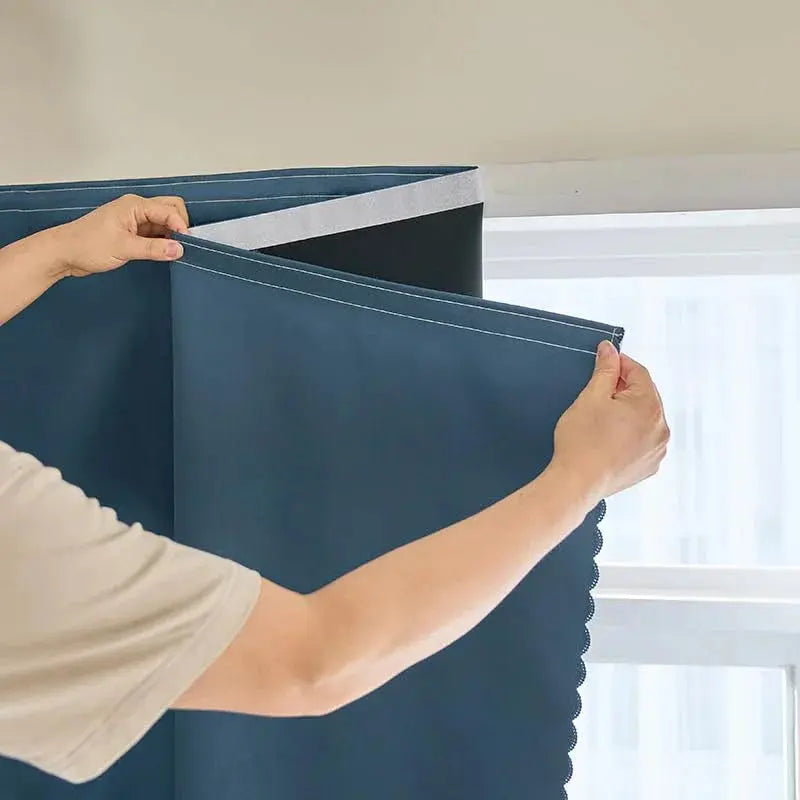
Adding a physical layer across the glass is the direct response. The Goodinary® Blackout Window Cover is a thick, high density polyester panel with a reflective silver coating, fitted over the window with removable hook and loop strips. It goes up without tools and comes down just as easily, which is what makes it workable in a rental or a room you do not want to alter permanently.
Sizing is generous enough to cover most windows properly, with options at 57 by 39 inches, 57 by 79 inches, 57 by 118 inches, and 57 by 157 inches. The panel can also be trimmed to fit awkward window shapes, which is useful in older homes where very few windows are a standard rectangle.
Aim for coverage past the edges of the frame rather than a neat fit inside it. A panel that stops exactly at the glass leaves the frame perimeter exposed, and the frame perimeter is where the draughts you found earlier are coming through.
The light blocking is the other half of what it does, and in winter that is more useful than it sounds. Rooms you use in the evening benefit from the window being properly covered rather than left as a black rectangle, and a bedroom that stays dark through a late sunrise is easier to sleep in. The panel is lightweight and foldable, so it stores compactly in the months you do not need it, and it is stain resistant and easy to clean when it comes back out.
Beyond bedrooms, the same cover works in a nursery, a television room, a dorm, a hostel, or a vehicle, which means it earns its keep outside the cold months too.
In a bedroom the covering does something beyond temperature as well, because a bare pane of glass is a hard edge in a room meant to feel soft. That side of it is covered in 7 changes that make a bedroom feel like a retreat.

Should You Cover Your Windows During the Day or at Night?
Cover windows at night and leave them uncovered during the day on any sunny window. Sunlight through glass warms a room for free, so blocking a south facing window in daylight loses more than it saves. After dark there is no sunlight to gain and only heat to lose, so that is when a cover earns its place.
This single habit changes how much the covering is worth, and almost nobody does it deliberately. Most people either leave windows bare all winter or cover them permanently and forget.
The pattern worth building is simple. Open everything in the morning on the sides of the home that get sun. Close and cover as soon as it gets dark, before the room has started to cool rather than after you have noticed it is cold. Reacting to a cold room is always slower than preventing one.
On windows that never get direct sun, usually the ones facing away from the sun's path, there is nothing to gain in daylight, so those can stay covered through the colder weeks without any downside.

What Else Makes a Room Feel Warmer Without Turning Up the Heating?
Several small changes raise how warm a room feels at the same air temperature: stop blocking the heat source with furniture, close doors to rooms you are not using, keep the air from getting too dry, and add a soft layer underfoot. None of them involves the thermostat.
Furniture placement is the most common unforced error. A sofa pushed against a radiator absorbs the heat into its back panel instead of letting it circulate, and the same applies to a heating vent behind a bookcase or under a long curtain. Pull the furniture forward even a few inches and the room warms faster with no other change.
Closing internal doors matters more than people expect. Heating a home with every door open means heating hallways, spare rooms, and stairwells you are not sitting in. Close the doors to unused rooms and the warm air stays where you are, which is the point of heating it.
Humidity is the quietest factor. Very dry air feels colder than moist air at the same temperature, and winter heating dries indoor air considerably. Drying laundry on a rack indoors, keeping a few plants, or simply leaving the bathroom door open after a shower all put moisture back without any equipment.
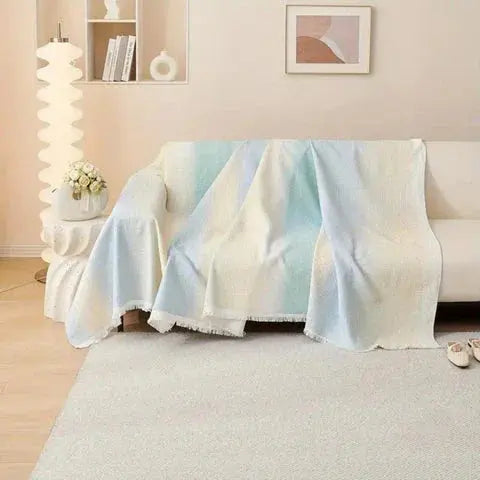
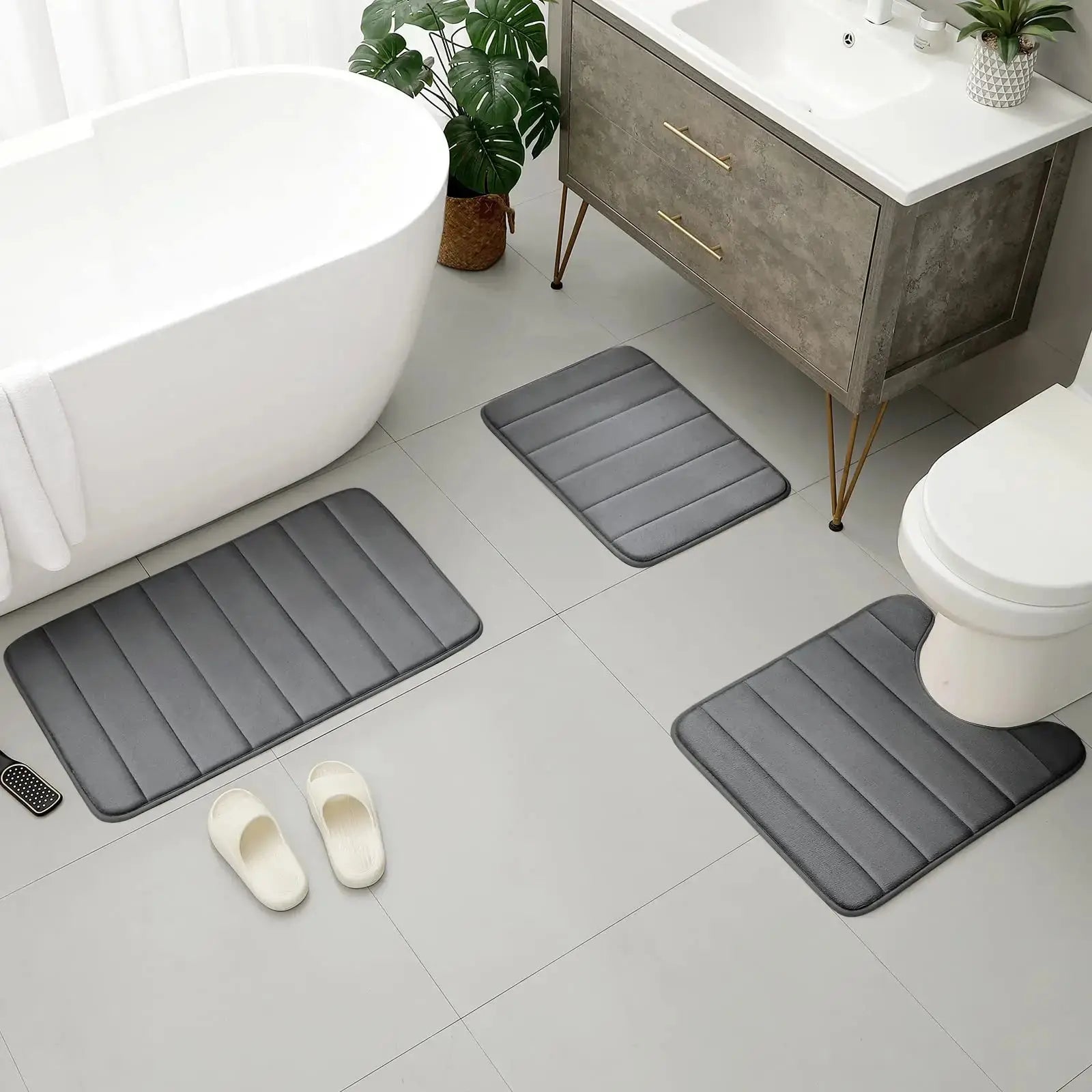
Floors are the last one. Hard floors stay cold and conduct heat away from your feet, which your body reads as the whole room being cold. A rug in the area where you actually sit or stand does more for perceived warmth than its size suggests.
Warmth Is About Keeping It, Not Making More
A cold home is rarely a heating problem. It is a retention problem. The heater is doing its job and the room is giving the heat straight back through gaps around doors and sheets of cold glass. Close the gaps with a sealing strip, cover the windows once it gets dark, pull the sofa off the radiator, and the same heating setting starts producing a room that actually feels the temperature it claims to be. Spend an afternoon on it in October and the whole winter is different.

What is the cheapest way to make a draughty house warmer?
Seal the gaps first. An adhesive strip such as the Goodinary® Door Seal Strip closes the openings around door and window frames without tools, and gaps are where the largest, most continuous heat loss in most homes happens.
How do I find draughts in my home?
On a cold, windy evening, hold the back of your hand or a thin strip of tissue paper close to the edges of external doors and windows. Moving air is easy to feel and easy to see on paper, even where the gap itself is invisible.
Do blackout covers help with cold as well as light?
A thick panel fitted over the window adds a physical layer across the coldest surface in the room. The Goodinary® Blackout Window Cover is high density polyester with a reflective silver coating, and it also keeps the room dark, which is useful in rooms used in the evening.
Will a door seal strip work on a sliding door?
Yes. Sliding doors and panels are often the leakiest openings in a home, because the track that lets them slide also leaves a channel for air. The strip applies along the edge the same way it does on a hinged door.
Does closing doors to unused rooms really keep a house warmer?
It helps noticeably. Heating a home with every internal door open means warming hallways and empty rooms along with the one you are sitting in. Closing them concentrates the warm air in the space you are using.

Leave a comment
This site is protected by hCaptcha and the hCaptcha Privacy Policy and Terms of Service apply.